// Facade Profiles
Aluminum Battens
Linear aluminum batten profiles for ventilated facades, feature walls, and architectural screening. Consistent spacing, clean sightlines, and durable factory finishes.
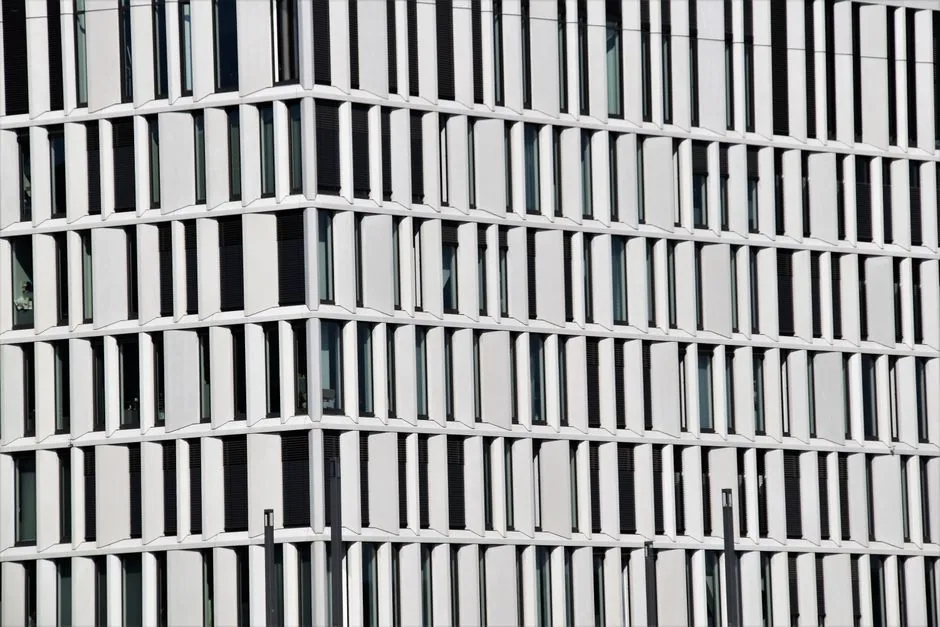
What are aluminum battens?
An aluminum batten is a linear extruded profile - typically square, rectangular, or rounded in cross-section - used in rows to create a screen, cladding layer, or decorative surface. Installed at regular spacing on a carrier rail system, battens produce a rhythmic pattern of solid metal and shadow that reads very differently from a continuous panel face.
The visual effect scales well from small residential screens to large commercial facades. At wide spacings, the batten array functions as a louvre, filtering daylight and air while maintaining a view through. At tighter spacings, it reads more like a solid surface but retains the depth and shadow play that distinguish it from a flat panel.
Aluminum is the dominant material for exterior batten facades because it combines low weight with the extrusion process that produces consistent, precise cross-sections in long lengths. The factory finish - whether powder coat, PVDF, or anodized - weathers without the color changes, cracking, or biological growth that affect timber battens in the same application.
Applications
Ventilated facades
In a ventilated facade, battens are installed on a standoff frame that creates a continuous air gap between the cladding layer and the wall behind. The batten gaps allow free air movement up the cavity, removing moisture and reducing the thermal load on the wall. This approach is common on commercial and institutional buildings in climates where driving rain and vapor management are design priorities.
Feature walls and accent cladding
Battens are widely used on specific elevations or zones of a building to differentiate them from adjacent panel surfaces. An entry canopy underside, a stair tower, or a podium base clad in horizontal aluminum battens creates a clear visual hierarchy that flat panels cannot achieve.
Screening and privacy screens
At garden walls, mechanical equipment enclosures, car park structures, and balcony balustrades, batten screens allow air to pass while blocking direct sightlines. Batten orientation (horizontal or vertical), gap width, and depth-to-width ratio of the profile determine how much obscures the view at different angles.
Pergolas and overhead structures
Aluminum battens are used in horizontal overhead arrays to provide partial shade to outdoor areas. The lightweight profiles span between supports with minimal deflection and do not require the periodic maintenance that timber pergola members demand.
Spacing, depth, and visual density
The relationship between batten width and gap width determines the visual density of the screen from a perpendicular viewing angle, and the apparent opacity changes as the viewing angle shifts. A common starting point for design is a 1:1 ratio of batten face to gap. From there, the ratio is adjusted based on the desired balance between openness, shading coefficient, and privacy.
Batten depth - the dimension perpendicular to the wall - matters for two reasons. A deeper profile casts a stronger shadow on the batten face below, increasing contrast and visual interest at low sun angles. Deeper profiles also have a higher section modulus, which permits longer spans between carrier rails without visible mid-span deflection.
The engineer or facade consultant calculates the required span and clip spacing from the applied wind load, batten cross-section, and allowable deflection limit for the project.
Finish and color
Aluminum battens are typically finished before installation at a processing facility using one of the following systems:
- Powder coat is the most common choice for commercial and residential projects. Colors are matched to RAL, NCS, or custom specifications. Properly specified and applied powder coat on aluminum meets AAMA 2604 performance requirements for exterior use.
- PVDF two-coat or three-coat systems provide superior long-term UV and color stability, specified per AAMA 2605 for demanding environments or long warranty requirements.
- Anodized finishes provide a hard metallic surface integrated into the aluminum itself. Class I (18-micron minimum) is appropriate for exterior applications.
- Wood-grain sublimation prints apply a photographic wood texture to the aluminum surface beneath a protective topcoat, producing a realistic timber appearance with the performance of aluminum.
Carrier rail and clip system
Battens attach to horizontal or vertical carrier rails through a concealed clip or hook system. The clip engages a channel machined into the back of the batten profile, allowing battens to be installed and removed from the face of the wall without disturbing adjacent battens. This is useful for maintenance access to the wall assembly behind.
The carrier rail spacing is determined by the batten’s structural span capacity. Rails are anchored to the primary wall structure through brackets or cleats that accommodate the required standoff distance for the ventilation cavity and any insulation layer.
Comparison with timber battens
Architects and designers sometimes consider timber as an alternative when a natural material appearance is desired. The practical comparison for most exterior applications favors aluminum:
Timber battens require periodic application of sealer, stain, or paint to maintain appearance and prevent moisture uptake. Aluminum battens with factory-applied finishes need only periodic washing. Timber is subject to dimensional change with seasonal moisture variation, which causes gaps to open and close and can lead to splitting. Aluminum is dimensionally stable. Timber is combustible; extruded aluminum is not. For projects where fire resistance matters, aluminum batten facades avoid the complications of combustible cladding in high-rise or near-boundary situations.
// Keep exploring
More facade systems
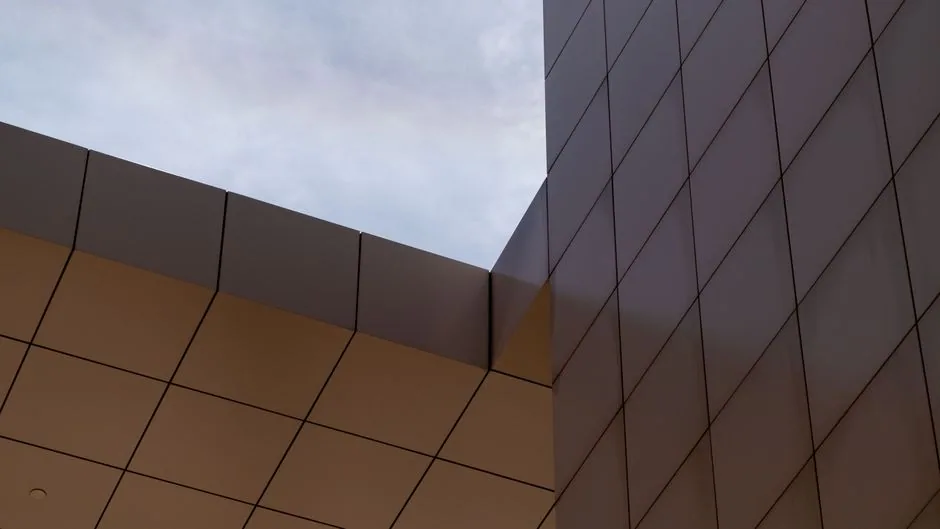
Aluminum Soffits
Durable, low-maintenance aluminum soffits for residential overhangs, commercial canopies, and covered walkways. Weather-resistant profiles with a clean factory finish.
View product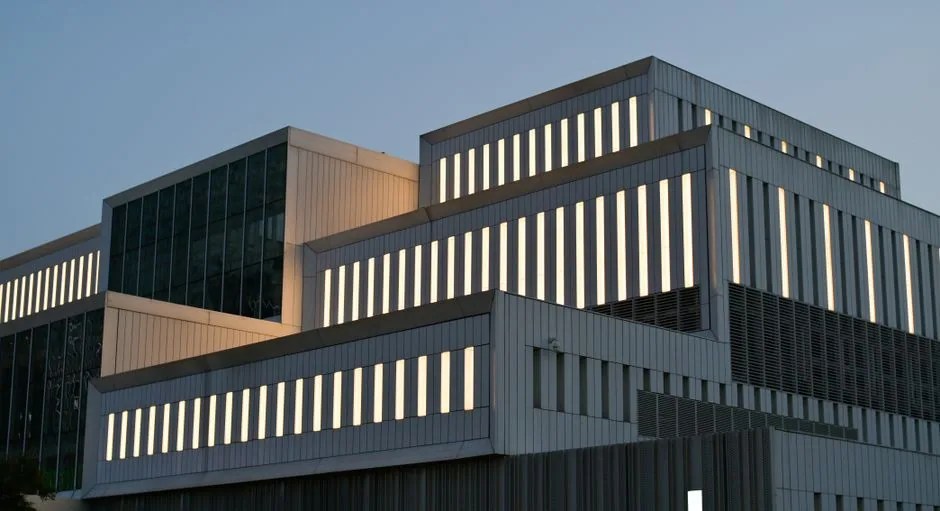
Aluminum Panels for Facades
Extruded and formed aluminum cladding panels for rainscreen facades, curtain walls, and commercial building envelopes. Available in a wide range of profiles and finishes.
View product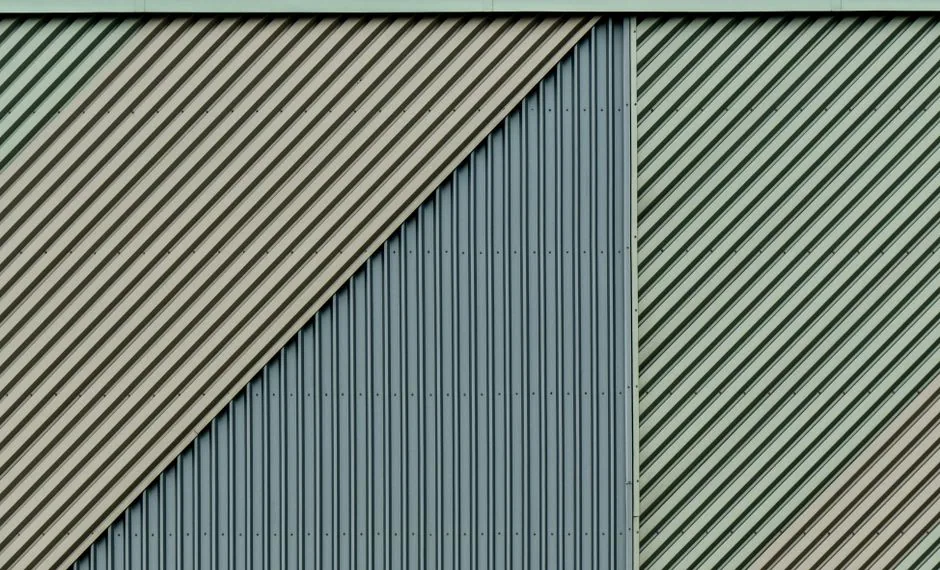
Aluminum Wall Cladding
Aluminum wall cladding systems for commercial and residential exteriors. Rainscreen principles, concealed fixings, and long-service factory finishes.
View product
// Start a project
Spec aluminum battens on your project
Tell us about your facade and we'll help with sizing, finish, and detailing.