// Retail
Aluminum Facades for Shopping Centers and Malls
Bold, durable aluminum facade systems for shopping centers and malls - high-visibility finishes, long spans, and low-maintenance assemblies built for the traffic retail destinations generate.
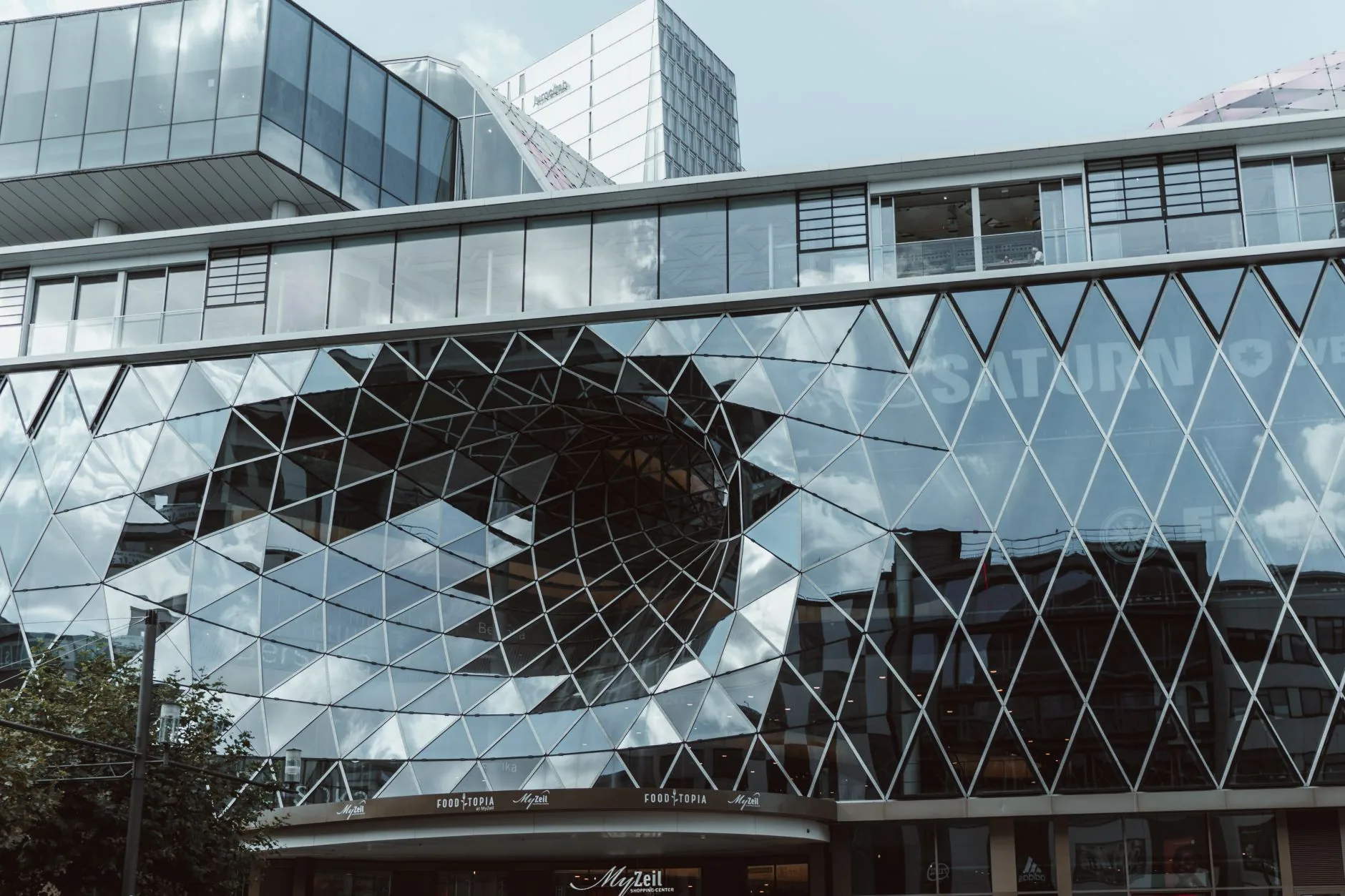
A shopping center’s exterior is a billboard and a building at the same time. It has to stop traffic, withstand the physical demands of thousands of daily visits, and look sharp year after year without constant upkeep. Aluminum facades for shopping centers deliver that combination - the finish range and design flexibility for bold retail architecture, paired with the durability and low maintenance that high-traffic destinations require.
Whether the project is a regional mall, a power center, a lifestyle district, or an urban mixed-use retail block, the mall facade sets the tone for the shopping experience before anyone steps inside.
Why aluminum suits retail and shopping destinations
Retail buildings are high-occupancy, high-visibility structures with some of the most demanding maintenance environments in commercial construction. Aluminum is purpose-built for that context.
- High-visibility finishes. Custom PVDF colors, metallic coatings, and specialty finishes let retail architects create distinctive, memorable facades that support tenant branding and attract shoppers from the road.
- Durability under traffic. Shopping centers operate seven days a week, with loading docks, cart corrals, and constant pedestrian activity at grade. Aluminum systems are robust and do not deteriorate from the normal physical contact of busy public environments.
- Low maintenance at scale. A regional mall covers hundreds of thousands of square feet of exterior surface. Aluminum’s minimal maintenance requirement - typically a periodic rinse - keeps that liability manageable across large properties.
- Long spans and openings. Retail architecture often calls for wide, column-free spans, large openings, and significant glazing areas. Aluminum is light enough to span generously without adding structural cost.
- Renovation and re-tenanting. Retail centers are refreshed frequently to respond to tenant mix changes and market repositioning. Aluminum cladding can be replaced or updated in zones without full envelope replacement, supporting incremental renovation strategies.
- Code compliance. Mall and shopping center occupancy classifications carry specific requirements for exterior cladding. Aluminum systems can be specified as tested, fire-compliant assemblies.
Typical applications on a shopping center facade
Retail facades deploy aluminum at multiple scales, from the anchor department store facade down to the inline tenant storefront surround.
- Anchor and big-box facades - large-format panel systems for the major tenants that anchor a shopping center, where scale and finish quality are critical to the center’s overall positioning.
- Inline retail frontages - cladding bands, canopies, and column wraps that create a consistent frame for tenant storefronts along the retail promenade.
- Entry pavilions and food court facades - high-visibility, high-detail feature zones at major entrances and dining destinations where the design calls for architectural emphasis.
- Parking structure facades - screen systems and perforated panels that clad the parking decks while maintaining visual continuity with the retail buildings.
- Canopies and shade structures - covered walkways, drive-through lanes, and outdoor dining areas that require durable, weatherproof overhead surfaces.
- Soffits - finished undersides on all covered retail areas, from covered walkways to enclosed mall entries.
How systems are selected for retail projects
Retail projects involve multiple stakeholders - the center owner, the anchor tenants, and inline tenant brands each with their own design requirements. System selection has to accommodate that complexity while meeting the performance standards the owner carries across the full property.
For primary wall coverage and anchor facades, aluminum panels deliver the large-format, high-impact look retail architecture demands. Where the design calls for depth, rhythm, or solar control, aluminum battens add a screen element that works across both interior-facing promenades and exterior road frontages. Aluminum wall cladding provides efficient coverage for inline retail bands and back-of-house zones. Aluminum soffits are essential for the covered walkways, canopies, and overhead surfaces that are a constant feature of retail architecture.
For an overview of system types and how they are assembled, our guide on what are aluminum facades provides a useful foundation.
When you are ready to spec aluminum facades for shopping centers, tell us about the property and we will help with system selection, finish options, and fabrication.

// Start a project
Building for retail?
Tell us about your facade and we'll help with system selection, finishes, and detailing.