// Commercial
Aluminum Facades for Commercial Buildings
High-performance aluminum facade systems for commercial buildings - clean lines, durable finishes, and rainscreen assemblies that protect the asset and support long-term value.
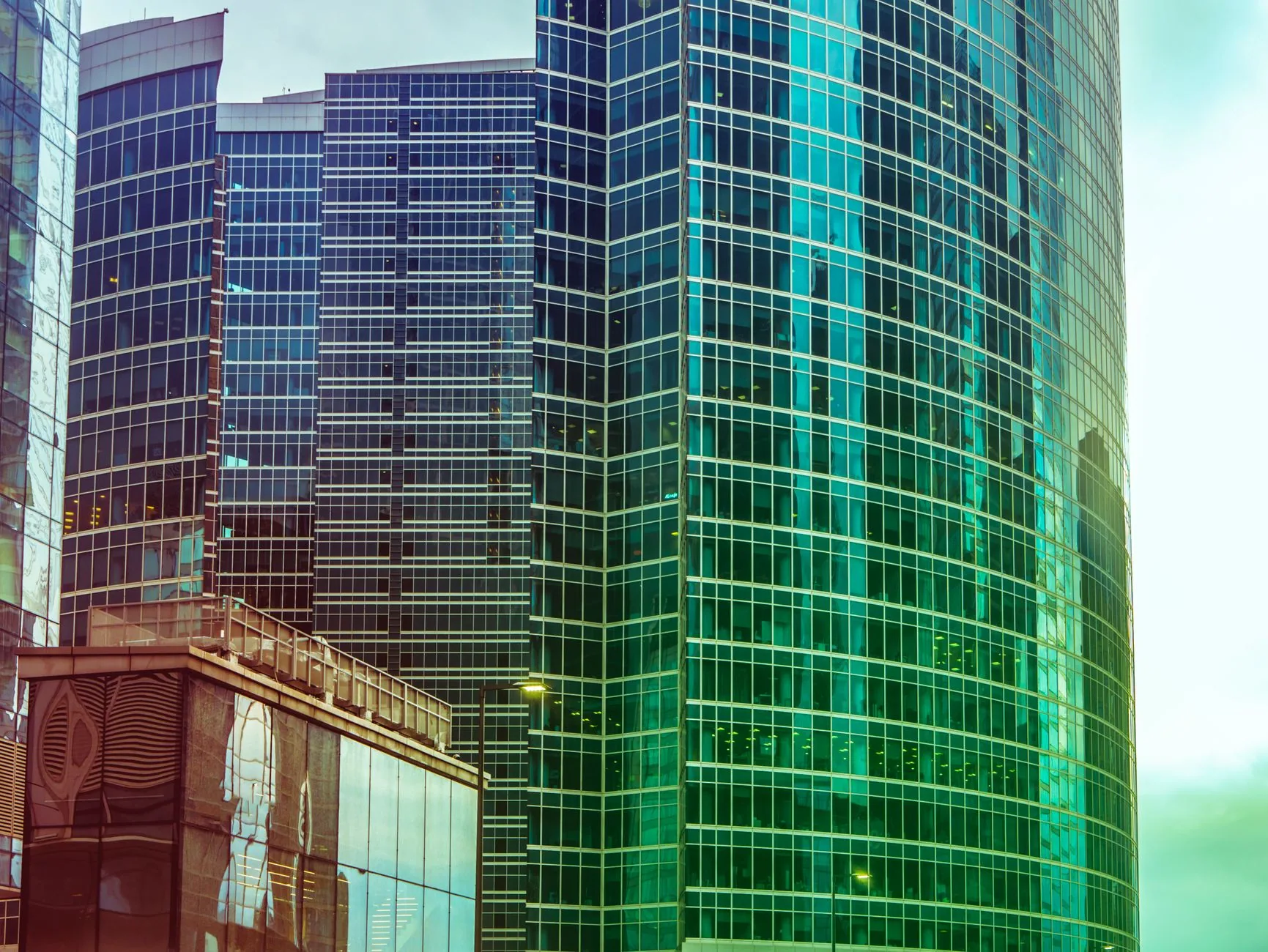
A commercial building competes for tenants, and the envelope is part of that competition. A well-designed commercial building facade signals quality to prospective occupants, reduces operating costs through better envelope performance, and holds its condition across the decades a building stays in service. That is why aluminum facades for commercial buildings are the default choice for developers and design teams working on office towers, mixed-use blocks, and speculative commercial construction.
Aluminum gives a commercial envelope the precision, finish quality, and long-term durability that demanding tenants and institutional owners expect.
Why aluminum suits commercial buildings
Commercial buildings face a performance brief that covers aesthetics, energy, and long-term asset management simultaneously. Aluminum addresses all three.
- Proven longevity. Architectural aluminum with PVDF coatings maintains its color and surface finish for decades without repainting. That protects the asset and keeps operating expenses predictable.
- Design range. From flush curtain-wall looks to articulated panel grids and expressed batten screens, aluminum adapts to any architectural language - contemporary or contextual.
- Rainscreen performance. A properly detailed aluminum rainscreen assembly manages moisture at the facade plane, reduces thermal bridging, and protects the primary structure from water damage that would otherwise require expensive remediation.
- Tenant expectations. Class A and Class B tenants increasingly evaluate building quality from the outside in. A well-detailed aluminum facade signals investment and long-term building management quality.
- Construction efficiency. Prefabricated aluminum panel systems are dimensionally precise and install quickly, reducing on-site labor time and the schedule risk that affects commercial development budgets.
- Sustainability credentials. Aluminum is highly recyclable. Systems using post-consumer recycled content can contribute to LEED and other green building certifications that matter to commercial tenants.
Typical applications on a commercial facade
Commercial buildings put aluminum to work at multiple scales and for a range of technical purposes.
- Tower and podium cladding - the primary exterior surface, where large-format panels deliver a clean, repeatable module across multiple floors.
- Entrance and lobby zones - high-detail, high-visibility areas at grade that anchor the building’s street presence and support branding.
- Parapet and roofline - capping elements that tie the top of the building together and protect the roof edge from wind-driven water.
- Solar shading screens - horizontal or vertical batten screens that reduce solar gain on south and west exposures without fully blocking views.
- Mechanical level enclosures - perforated or louvered aluminum panels that screen rooftop plant while maintaining the design language of the floors below.
- Soffits and overhangs - finished undersides at covered entries, loading docks, and projecting elements that complete the envelope detail.
How systems are selected for commercial projects
System selection for a commercial building starts with the performance specification and the design intent. Panel format, joint expression, and fixing method follow from the building’s scale, the wind and weather loads the facade has to resist, and the finish the architect has established.
For clean, large-format coverage on tower floors, aluminum panels provide a precise, consistent rainscreen module. Where the design calls for depth and rhythm, aluminum battens add a vertical or horizontal screen layer. Aluminum wall cladding works well across podium levels and mixed-use plinths. Aluminum soffits finish the overhangs and covered entries that anchor the building at grade.
Our guide on aluminum cladding vs ACM panels is a useful reference when comparing solid aluminum against composite systems for fire performance, weight, and long-term cost.
When you are ready to spec aluminum facades for commercial buildings, share the project details and we will help with system selection, performance detailing, and fabrication.
// Start a project
Building for commercial?
Tell us about your facade and we'll help with system selection, finishes, and detailing.